
Types of Addiction

There are addictions to substances and behaviours. All addictions share the same evolution and series of symptoms.

The most common addiction is that related to substance abuse, but the consequences can be similar to when you abuse the Internet, sex and love, food, physical exercise, gambling or shopping. An addiction is any compulsive behaviour that results in the addict losing control of their life.

The reality is, that there are no different types of addiction, as such, though there are different ways in which it manifests itself. Whilst one person may be addicted to alcohol, another may be addicted to illegal or legal drugs, and another may be addicted to gambling or other types of behaviour. The dynamics are always the same in that there is an established relationship to consuming or a behaviour that alters the state of mind. It is also known that those who quit an addiction to one substance or behaviour are at risk of developing an alternative addiction.

The abuse of different substances and behaviours can happen at the same time. The same person can have problems with gambling, alcohol and pornography. You can also develop an addiction to drugs prescribed by a doctor.

There are many variations and combinations in the types of addictions. However, the diagnostic criteria is the same in all cases.

Although many of the harmful consequences are common to all types of addiction, some damages are specific to the use of a type of substance or behaviour. For example, the mental and physical effects of alcohol addiction are different from those of heroin, cocaine, or gambling.

Addictions can cause damage to mental health or be caused by mental problems. These problems can subside with recovery. But this is not always the case, it is what is called dual pathology. That is why we apply a personalised treatment plan to each case.
Mental disorder

Physical and Mental Disorders

Both physical and mental disorders can coexist with addiction. Some, from those originating from negative incidents, to those originating from childhood trauma, play their part in the emergence of addiction; others are the result of it.

Physical problems include both existing illnesses and poor health, infections, and damage caused by consuming andthe lifestyle that goes with it. Muscle tension, pain, and dental problems are also common.

Cross Addictions and Dual Illness

Addictions can be interrelated. A behavioural addiction such as an obsession with food can lead to the use of drugs to control weight. In the case of anorexia, the use of cocaine to reduce appetite is common.

The substitution of one dependency for another can also occur. These dependencies can be between drugs or between behaviours and we call them cross addictions.

The disease of addiction can occur alongside a psychiatric disorder. This type of dual pathology requires personalised treatment.
Cross addiction

Substance Addiction

Is generated both in relation to drugs of legal and of illegal acquisition:
Alcoholism

Alcoholism

Alcoholism is a chronic, progressive and in many cases fatal disease. It is caused by the abuse of alcoholic beverages. Alcoholism damages physical and mental health and social and family relationships.

Cocaine

Cocaine

Cocaine is a drug from the group of psychoactive substances. It has stimulating effects on the central nervous system and the brain. Tolerance to cocaine is reached quickly and its addictive potential is very high.

Benzodiazepines

Benzodiazepines

Benzodiazepine addiction is the psychological and/or physical dependency on a benzodiazepine medication.
Marijuana

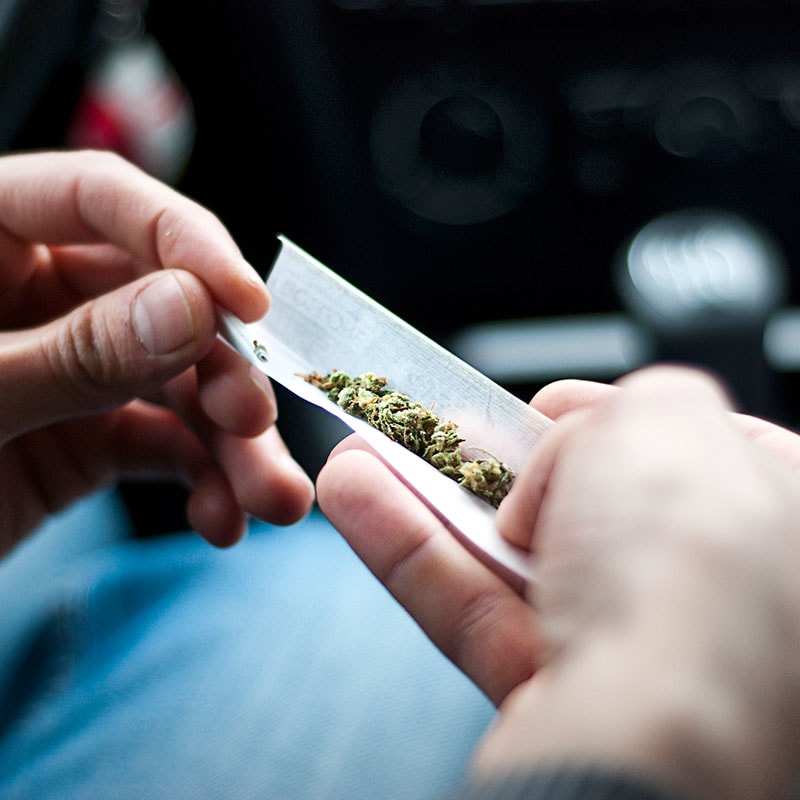
Hash / Marijuana

Cannabis is one of the illegal drugs with the highest rate of consumption. Its use is widespread in the population of adolescents and young people because it is mistakenly perceived as a "soft" drug. 19.5% of the Spanish population between the ages of 15 and 65 have tried it on occasion. A percentage that rises to almost one in three (28.2%) if we focus on the 15-29 year band.

Heroin

Heroin / Opiates

Heroin and opiates are sedative drugs that depress the nervous system. They also slow down the body and reduce physical and emotional pain. Opioids block pain messages, create a false sense of calm, and increase feelings of pleasure in the brain. The most common effect of heroin is a feeling of relaxation, warmth, and detachment, along with a decrease in anxiety.

Behaviours

Behaviours

Eating disorders encompass several chronic and progressive diseases, composed of a very complex range of symptoms that go beyond the eating behaviour itself, such as an alteration or distortion of body image, great fear of gaining weight and the acquisition of a series of values that are manifested through body image. They are diseases that require a multifactorial analysis (individual-family-society).

Behavioural addictions are treated the same as substance addictions. The behaviours that give rise to addiction are:
  • Gambling
  • Sex
  • New technologies (internet, mobile, social networks, video games)
  • Shopping
  • Work
  • Codependency